
How to Eat Indian Food: Etiquette, Traditions & Dining Tips for First-Timers
From mastering the art of the edible bread scoop and demystifying spice heat to navigating communal sharing with grace, discover how to savour every nuance of royal Indian dining at The Ambrai on Yarra.
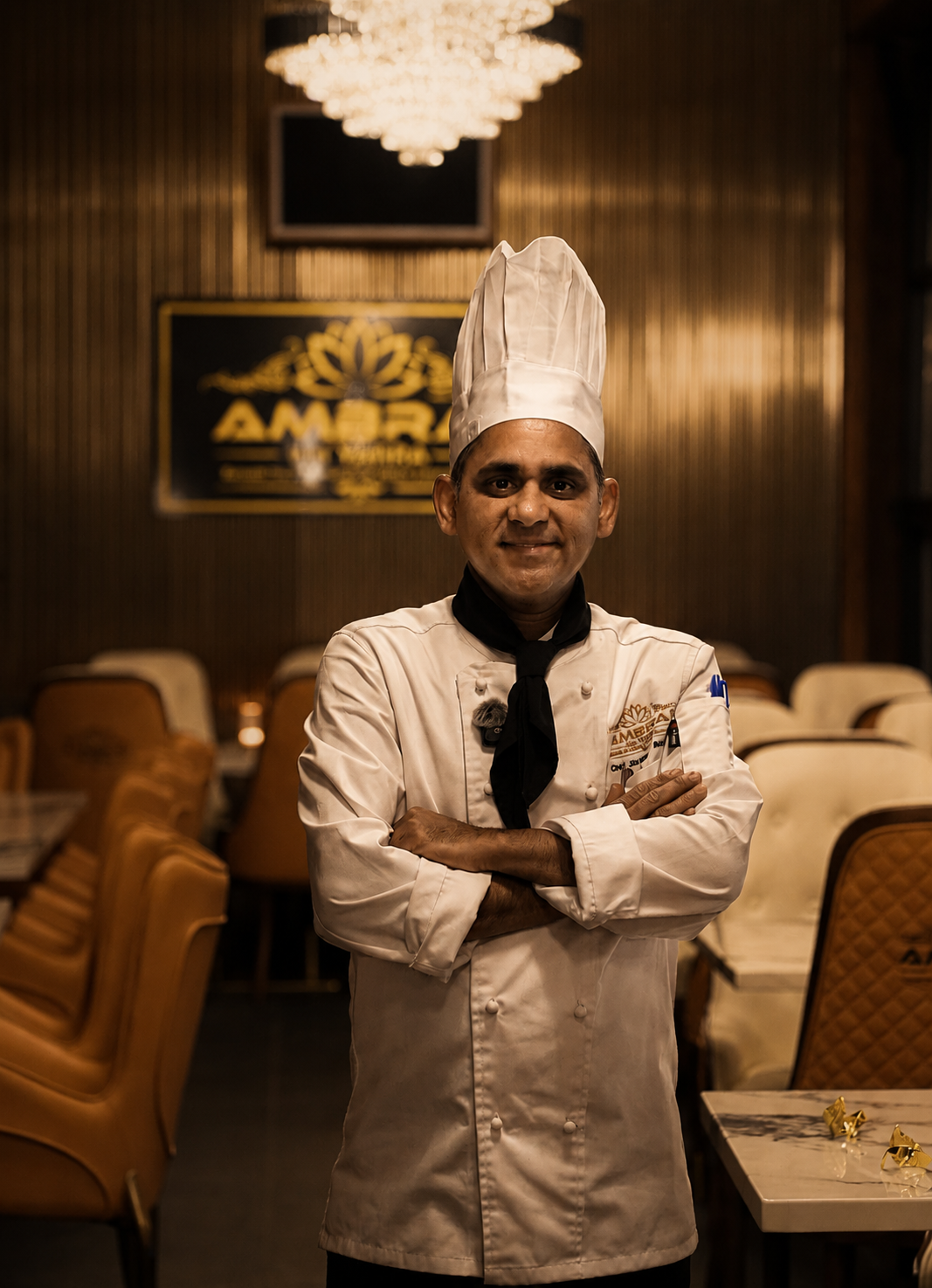
The Ambrai Culinary Editorial
Gastronomy & Waterfront Guide • The Ambrai on Yarra
At a Glance
Walking into an authentic Indian restaurant for the very first time should feel like an invitation into a celebration, not a high-stakes etiquette exam. From the intoxicating perfume of toasted cumin and cardamom drifting from the kitchen to colourful curries bubbling in brass handis, Indian cuisine is an exhilarating feast of flavours, textures, and age-old regional traditions. Yet, for newcomers, simple questions can spark quiet hesitation: Is it polite to eat with your hands? How do you gracefully tear naan without making a mess? Is every dish incendiary, or can you feast gently? At The Ambrai on Yarra in Docklands, our philosophy is anchored in Atithi Devo Bhava—the timeless Indian belief that the guest is divine. Here is your warm, approachable guide to navigating an Indian table with joyful ease, whether you're relaxing inside our climate-controlled riverside domes or soaking up the golden glow of our Chandelier Lounge.
How to Savour Indian Cuisine with Confidence & Joy
1. Hands or Cutlery? The Tactile Poetry of Indian Dining
One of the first questions newcomers ask when stepping through our doors is whether they are expected to eat with their hands. The short answer is: you are entirely free to choose whichever way brings you the most comfort and pleasure.
In traditional Indian dining culture, eating with one's clean right hand is not merely a custom—it is considered a mindful sensory ritual. According to ancient Ayurvedic philosophy, each of our five fingertips corresponds to one of the primal elements: the thumb represents fire (agni), the index finger air (vayu), the middle finger ether or space (akash), the ring finger earth (prithvi), and the little finger water (jala). When you engage your fingertips with warm food, your tactile nerve endings send immediate signals to your digestive system, anticipating temperature, texture, and density before the food even reaches your palate.
That said, modern upscale dining is designed around your relaxation. At The Ambrai on Yarra, polished forks, spoons, and knives are laid out on crisp linen at every setting. Cutlery is widely used across India today, especially in metropolitan restaurants and when enjoying rich curries or delicate rice preparations. You will never be judged for requesting a fork and spoon.
If you do wish to experience the tactile joy of traditional dining, the easiest starting point is flatbread. Tearing off a bite-sized piece of warm naan or roti and using it to pinch a mouthful of curry is intuitive, elegant, and mess-free. Just remember the universal courtesy: always wash your hands thoroughly before sitting down, and traditionally, reserve your right hand for eating while using your left hand to handle your water glass or shared serving implements.
2. Decoding the Menu: Curry, Grains & The Symphony of Flatbreads
Subcontinental menus can occasionally seem overwhelming because dishes are presented separately rather than as rigid, pre-plated individual entrées. Rather than thinking of an Indian meal as a single monolithic course, imagine it as a harmonious palette where you compose each bite.
Curries & Gravies: A 'curry' is not a single flavour or spice powder; it is an umbrella term for dishes cooked in a seasoned gravy or reduction. These range from silky, tomato-and-cream makhani gravies and velvety cashew-based kormas to deep, slow-caramelised onion reductions (bhunao) and wholesome, tempered lentils (dal). Curries provide the soul, moisture, and spice architecture of the meal.
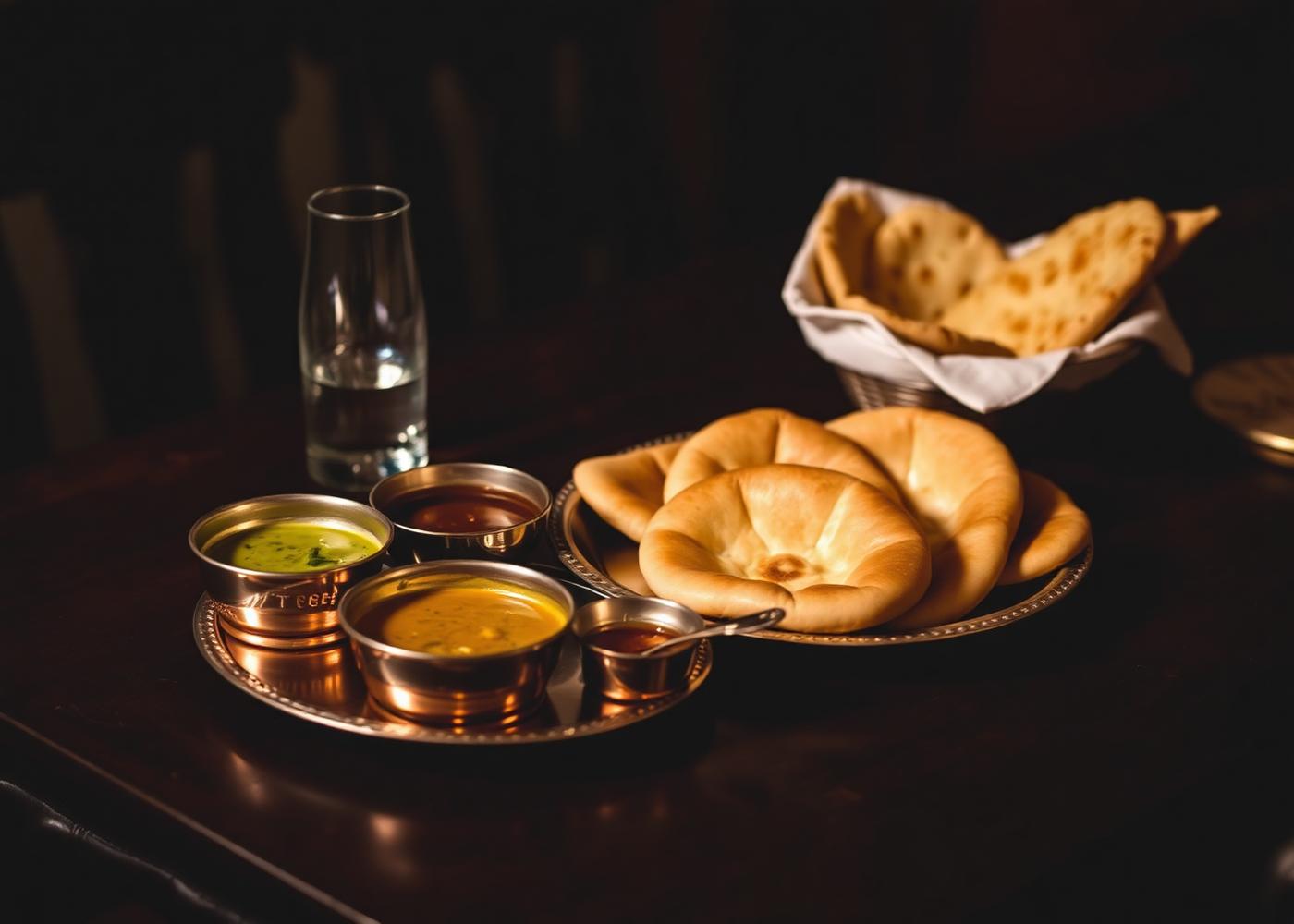
Flatbreads (Naan, Roti & Paratha): In Indian gastronomy, flatbreads are not simply side snacks—they are edible utensils. Tandoori Naan is leavened wheat bread, slapped against the super-heated clay walls of the tandoor oven until blistered, pillowy, and tender. Roti (often called chapati) is an unleavened, wholewheat bread with an earthy, wholesome grain flavour. Paratha is richer and flaky, layered with ghee, while Missi Roti incorporates chickpea flour and ajwain seeds for a rustic, gluten-friendly bite.
Steamed Rice vs. Regal Biryani: Steamed long-grain basmati or cumin-tempered Jeera Rice functions as a gentle, fragrant canvas designed to absorb rich curry gravies. Dum Biryani, on the other hand, is a self-contained royal feast. Cooked under a dough seal (dum) with saffron, rosewater, whole spices, and tender cuts of meat or garden vegetables, biryani is meant to be relished as its own dedicated hero dish, accompanied simply by a cooling raita.
The Beginner's Formula: If ordering for the first time, keep it beautifully balanced. For two diners, select one charcoal-grilled starter, two contrasting curries (such as one creamy and one aromatic or spicy), a basket of assorted hot breads, and a portion of fragrant basmati rice.
3. How to Eat Curry with Naan: The Art of the Edible Scoop
If you are eager to try eating Indian food traditionally, tearing into hot tandoori bread is by far the most satisfying and accessible place to start. In India, flatbread functions as your spoon, napkin, and edible canvas all in one.
Resist the temptation to cut the entire bread into slices or pull apart the whole naan at once. Leaving the bread intact inside its cloth-lined basket preserves its steam and keeps it wonderfully soft. Instead, work bite by bite as you dine.
The Technique: Use the thumb, index finger, and middle finger of your right hand to gently tear off a piece of bread roughly the size of a biscuit. Fold or pinch the bread between your fingers into a slight crescent or scoop shape, press it lightly into your curry dish, and pinch a morsel of tender meat, paneer, or vegetables along with a generous spoonful of rich gravy.
Pairing Principles: Match the bread to the weight of the sauce. Soft, pillowy Garlic Naan or Butter Naan is heavenly alongside creamy, velvety sauces like Butter Chicken, Shahi Paneer, or Dal Makhani. For bolder, slow-cooked gravies with bone-in meats—such as Rajasthani Laal Maas or Royal Goat Curry—the toothsome chew of a stoneground Tandoori Roti or flaky Lachha Paratha provides the ideal textural contrast.
A Touch of Dining Grace: When sharing several curries with companions, always transfer portions onto your personal plate using the dedicated serving spoons provided. Keep your bread dipping contained to your own plate to keep the central bowls pristine for everyone at the table.
4. Savoring Rice: Balance, Portioning & The Biryani Etiquette
Rice holds a sacred place in subcontinental cuisine, representing prosperity, fertility, and nourishment. When plated thoughtfully, basmati rice elevates curries to heights that bread alone cannot achieve.
The Plating Strategy: Spoon a small mound of steamed basmati or cumin-infused Jeera Rice onto one side of your plate. Avoid the common newcomer mistake of ladling curry directly over the entire heap of rice, which can turn the delicate, fragrant grains into a soggy porridge.
The Bite-by-Bite Mix: Instead, spoon a few spoonfuls of curry onto the plate directly beside the rice. Using your fork, spoon, or clean fingertips, draw a small amount of rice into the gravy, gently folding just enough sauce to coat each grain. This bite-by-bite pacing allows you to appreciate the floral aroma and separate, fluffy texture of aged basmati while tailoring the gravy richness with every single forkful.
The Biryani Exception: When you order The Ambrai's Hyderabadi Vegetable, Chicken, or Royal Goat Biryani, remember that every single grain is already infused with layered spices, saffron milk, browned onions, and aromatics. Biryani does not require a separate curry; doing so overwhelms the delicate bouquet of spices. Instead, enjoy biryani accompanied simply by a cooling cucumber-mint raita or a touch of tangy pickle (achar).
Royal Flavours & Heirloom Spices
Demystify traditional eating customs, learn the secrets of the edible bread scoop, and discover why Indian dining is an art of mindful celebration.
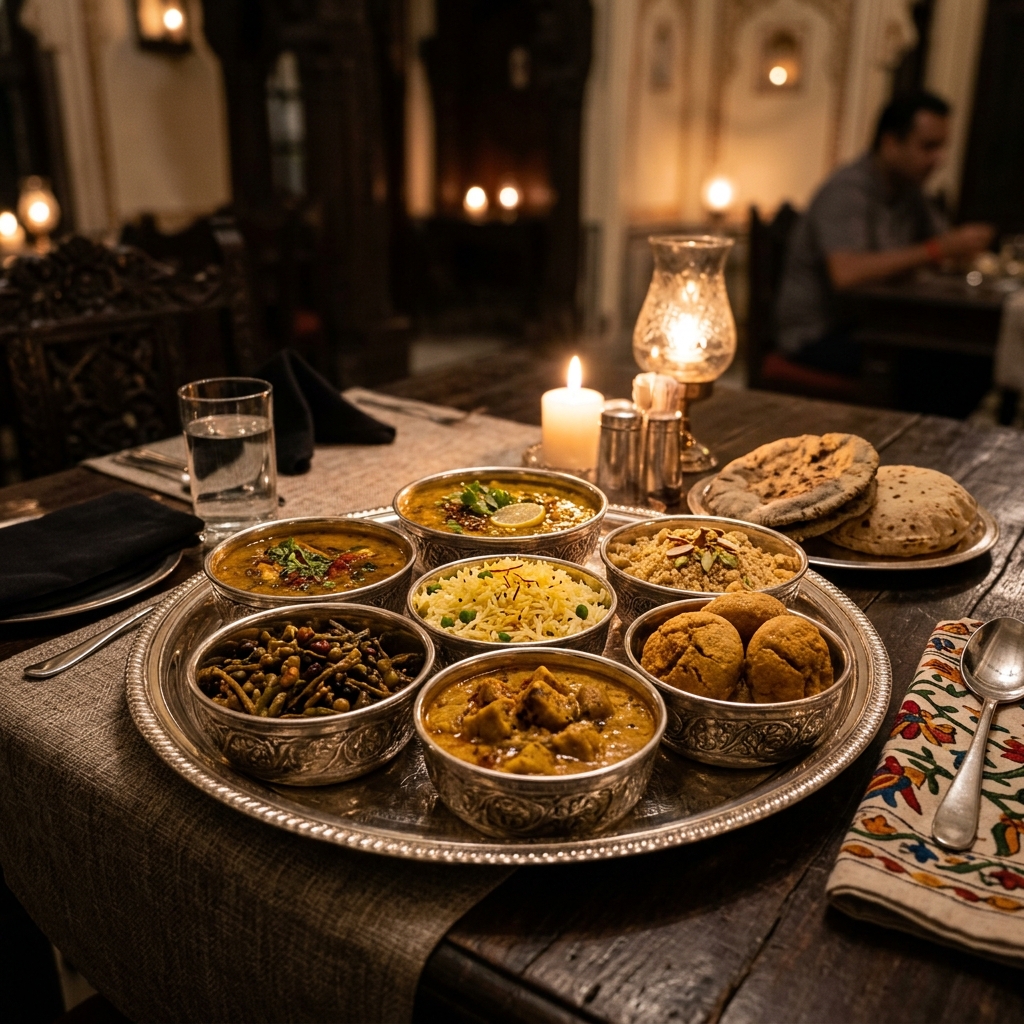
The Royal Mewari Thali
The quintessential introduction to Indian food: a royal copper platter presenting harmonious portions of two curries, dal, basmati rice, hot tandoori roti, raita, salad, and sweet gulab jamun.
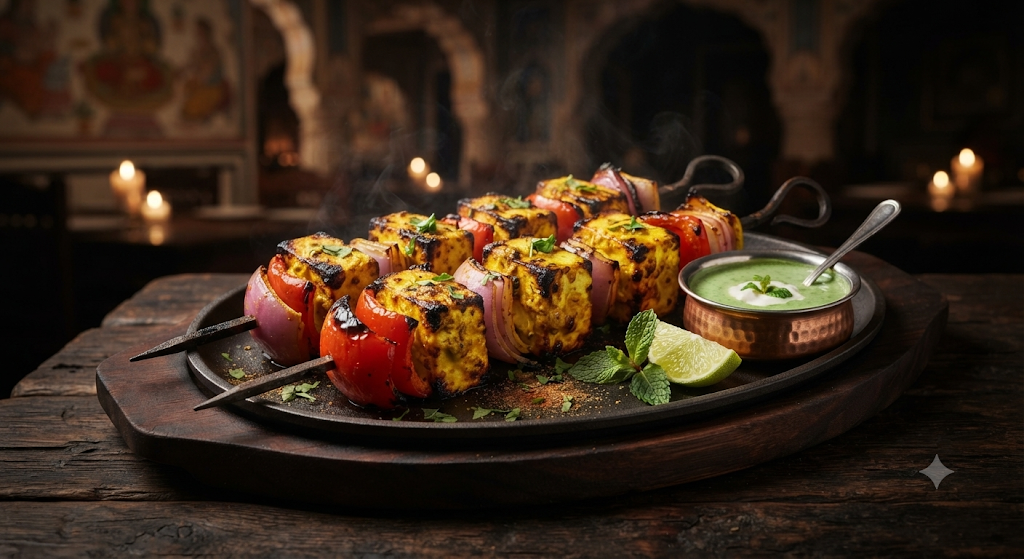
Tandoori Paneer Tikka
Hand-crafted cottage cheese cubes and crisp bell peppers marinated in hung yoghurt, mustard oil, and toasted carom seeds, blistered over screaming charcoal.
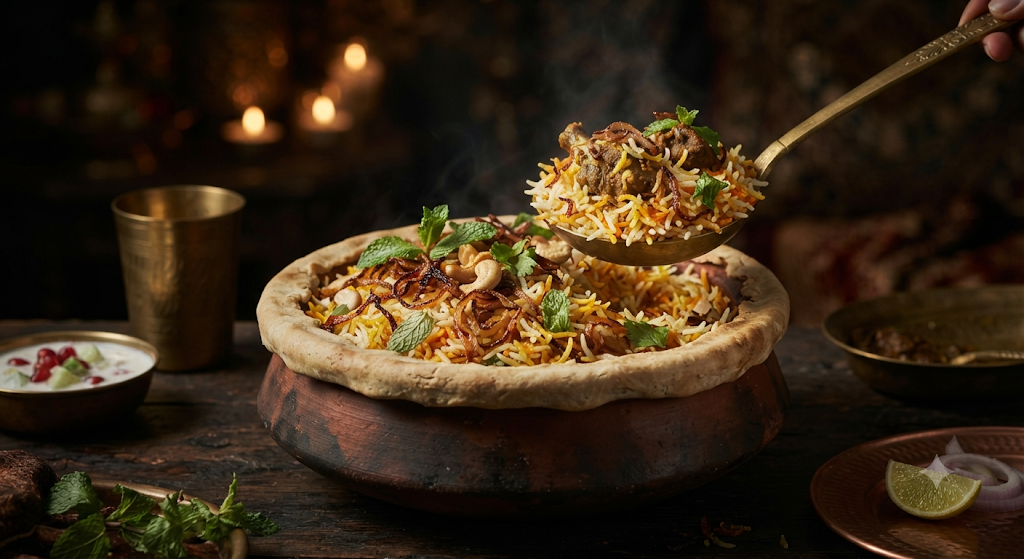
Awadhi Zafrani Dum Biryani
Aged long-grain basmati rice layered with tender marinated meat or vegetables, slow-steamed under a sealed dough lid with pure saffron, rosewater, and royal spices.
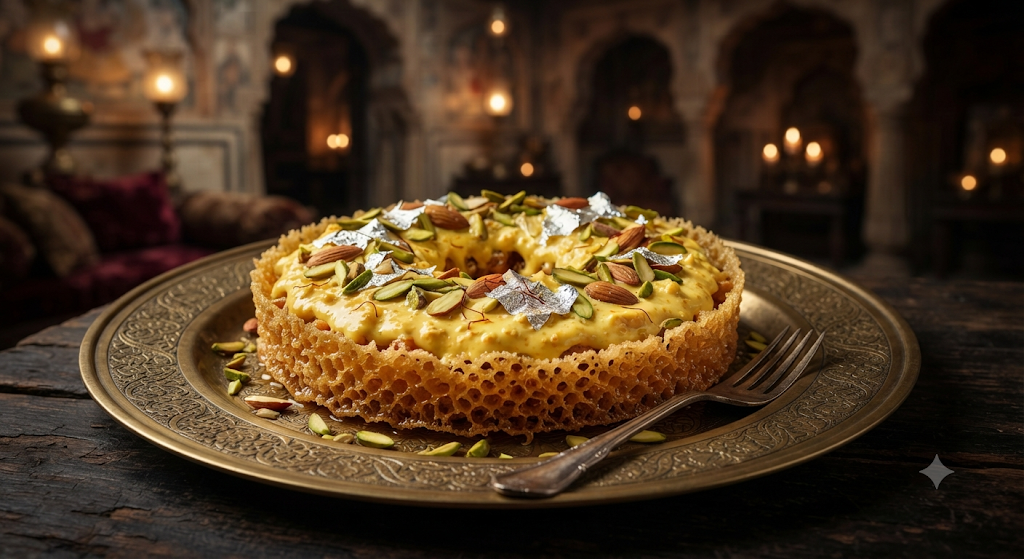
Malai Ghewar with Rabri
Traditional Rajasthani honeycomb dessert disc gently steeped in saffron sugar syrup, crowned with a rich layer of slow-reduced cardamom rabri and toasted pistachios.
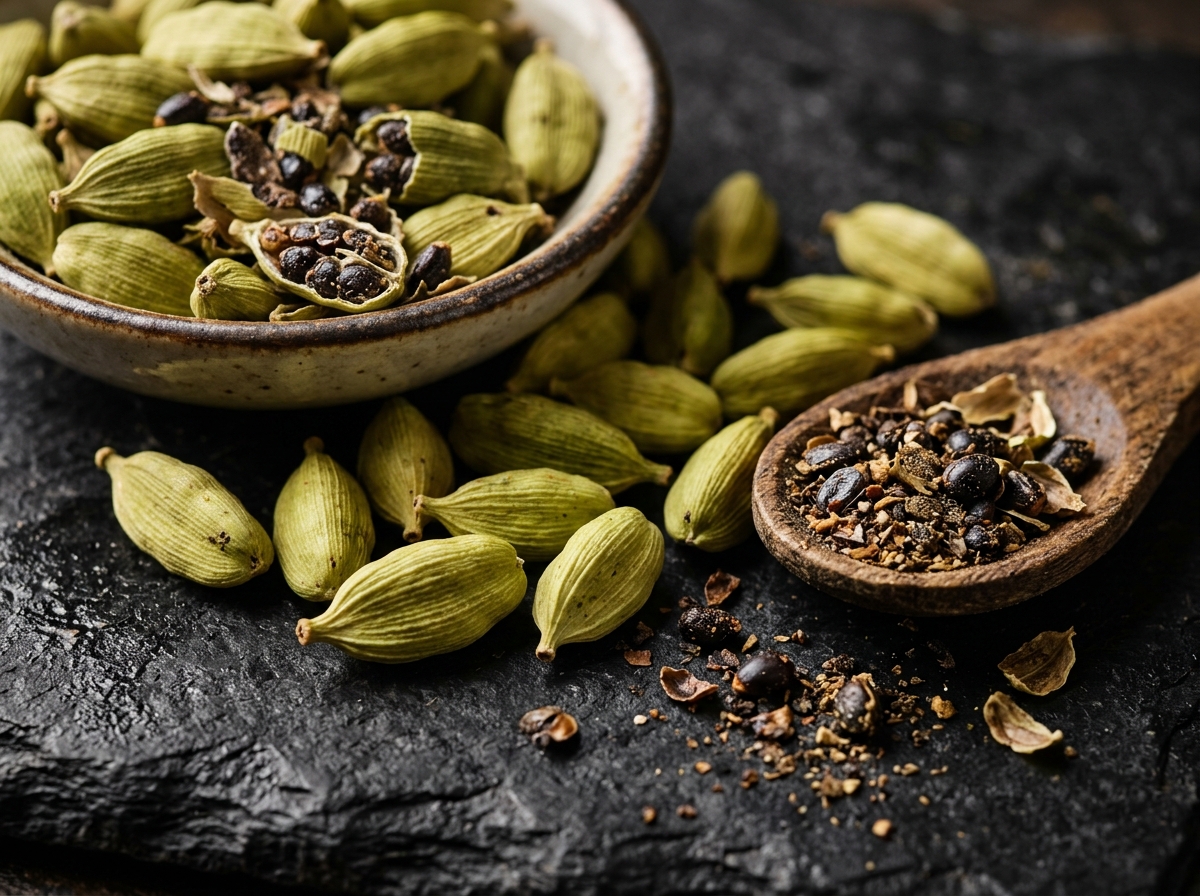
Idukki Green Cardamom
Western Ghats, Kerala
Prized as the Queen of Spices, offering bright citrus-floral sweetness that perfumes delicate kormas, biryanis, and royal milk desserts without adding chilli heat.
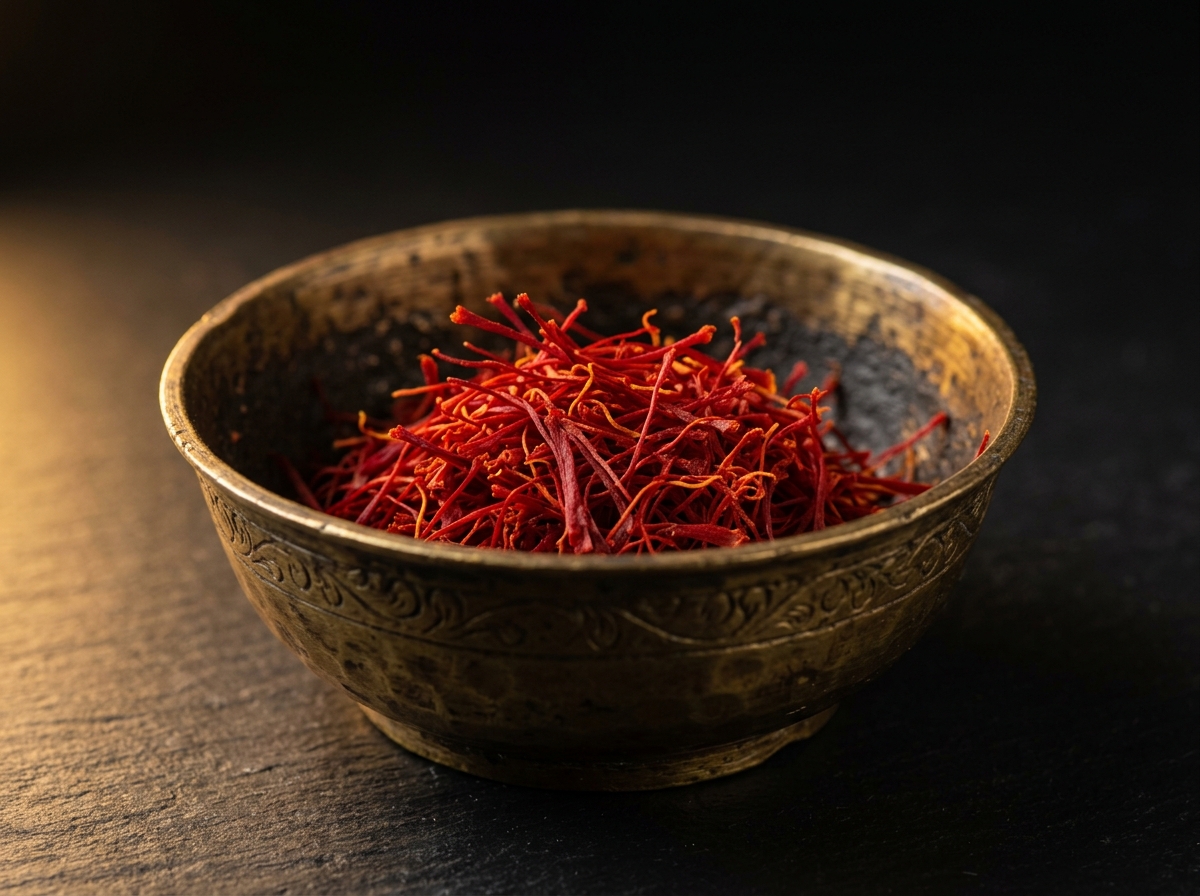
Kashmiri Mongra Saffron
Pampore, Kashmir
The world's most luxurious spice, hand-plucked crimson stigmas that impart an intoxicating honeyed fragrance and regal golden hue to biryanis and rabri.
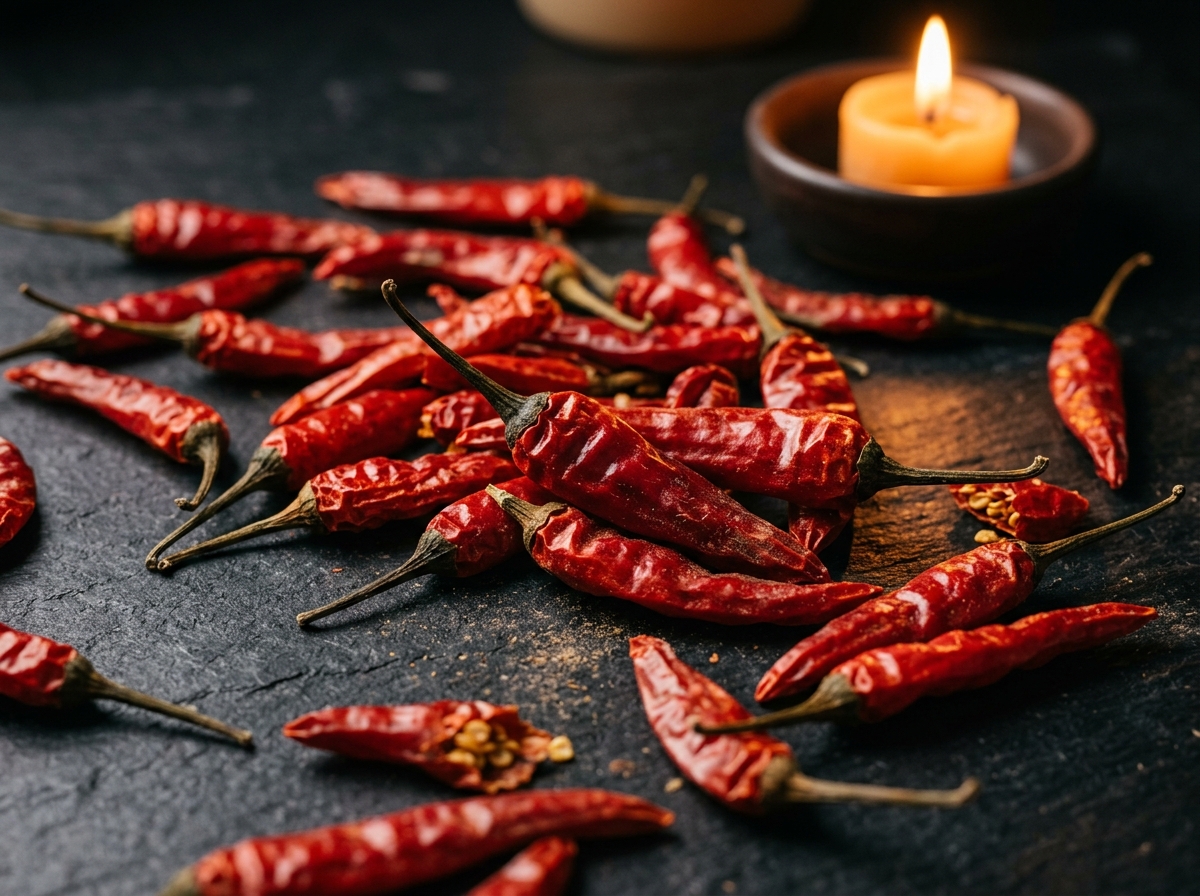
Mathania Red Chillies
Jodhpur District, Rajasthan
Renowned desert chillies providing a brilliant scarlet hue, smoky fruitiness, and deep, resonant warmth that define authentic royal Rajasthani curries.

Pushkar Damask Rose
Pushkar Valley, Rajasthan
Sun-distilled organic rose water and candied petals used to balance warming spices, soothe the palate, and lend an imperial aroma to our signature desserts.
From Blistered Tandoori Breads to Rich Royal Curries
5. The Spice Spectrum: Demystifying Aromatics vs. Chilli Heat
Perhaps the most widespread myth surrounding Indian food is that every dish is scorching hot and loaded with incendiary chilli peppers. In reality, authentic Indian cuisine is fundamentally about complex aromatics and botanical harmony, not culinary endurance tests.
Aromatics vs. Chilli Capsaicin: In our kitchen at The Ambrai, the word 'spice' refers to whole, natural botanical treasures—fragrant green cardamom pods from the Western Ghats, cinnamon bark, roasted cumin seeds, coriander seeds, earthy turmeric, and saffron threads. These spices are toasted in pure ghee to unlock fragrant essential oils that soothe digestion, impart warming aromatics, and build multi-layered depth without adding heat.
Finding Your Flavour Comfort Level:
1. Mild & Velvety: Dishes like Chicken Korma, Shahi Paneer, Malai Kofta, and our 24-hour slow-cooked Dal Makhani are rich in cashew paste, cream, and gentle cardamom. They possess virtually zero chilli burn, making them ideal for kids and sensitive palates.
2. Aromatic & Medium Warmth: Staples like Kashmiri Lamb Rogan Josh, Tandoori Chicken Tikka, and Kadhai Chicken balance ginger, garlic, and freshly cracked black pepper with approachable, rounded warmth.
3. Bold, Fiery Heritage: For daring diners seeking true heat, regional specialties like Rajasthani Laal Maas (celebrating vibrant, sun-cured Mathania red chillies) and Chicken Phall deliver exhilarating, fiery intensity steeped in royal warrior tradition.
How to Communicate with Your Server: When dining at The Ambrai, our front-of-house team acts as your culinary guides. Simply let your server know: 'I love deep, fragrant spice flavours, but I prefer mild chilli heat.' Our chefs can adjust heat levels on many à la carte dishes, ensuring your meal is a delight from first bite to last.
6. Start with Street Chaats & Charcoal Tandoor Entrées
To begin your dining journey on the highest possible note, do not skip the starters. In India, street snacks (chaat) and charcoal tandoor skewers are designed to electrify your palate and awaken your appetite before richer curries arrive.
The Magic of Chaat: The Hindi word 'chaat' translates directly to 'to lick'—a tribute to street snacks so irresistibly delicious that you are left licking your fingers. Authentic chaat is a sensory explosion that balances all six Ayurvedic tastes in a single mouthful: crunchy puffed crisps, creamy spiced potatoes, chilled tangy yoghurt, sweet date-tamarind chutney, and zesty fresh mint-coriander salsa sprinkled with mineral black salt (kala namak).
The Pani Puri Ritual: Featured on The Ambrai's Delhi Chaat Bhandar menu, Pani Puri consists of delicate, crispy, hollow semolina spheres filled with spiced chickpeas, potatoes, and filled to the brim with chilled, tangy spiced water (jaljeera). Here is the golden rule: eat the entire puri in one whole mouthful! Never attempt to bite a pani puri in half, or the spiced water will spill over your lap. Pop the whole globe in, close your mouth, and enjoy an unforgettable burst of refreshing, crunchy flavour.
Charcoal Tandoori Entrées: If you prefer savoury skewers, our clay tandoor turns out smoky wonders like Nawabi Chicken Tikka, Amritsari Fish Fry, and Tandoori Paneer Tikka. Cooked over screaming-hot natural charcoal, these skewers deliver deep char and juiciness without feeling overly heavy.
First-Timer Tip: Ordering one shared chaat and one charcoal skewer for the table is the ideal way to explore new textures without overfilling before the main courses.
7. The Art of the Shared Table: Dining Etiquette & Courtesies
In many Western dining settings, individual courses are personal: each person orders their own starter, their own main dish, and eats strictly within the perimeter of their own plate. Indian dining, in contrast, is an inherently communal, joyous celebration of shared abundance.
An Indian table is designed to be passed around. When you share four or five contrasting dishes among companions, everyone gets to experience a spectrum of textures—creamy, smoky, spicy, and tangy—in a single sitting.
Understanding 'Jhootha': The most crucial piece of traditional dining etiquette is the concept of 'jhootha' (saliva contact or cross-contamination). In Indian culture, touching food that will be shared with others using an implement that has touched your mouth is considered impolite. To honour this mindful custom:
• Always use the dedicated serving spoons placed inside each curry handi or rice bowl to transfer portions onto your personal plate.
• Avoid dipping your personal fork, spoon, or piece of torn naan directly into communal serving bowls.
• Take moderate first servings so everyone has ample opportunity to taste every dish, and feel free to return for seconds once everyone has been served.
• It is polite to ask your table companions before taking the very last piece of tandoori chicken or final ladle of curry.
When to Experience Your First Indian Meal on the Yarra
LUNCHTIME RIVERSIDE REPAST
A relaxed waterfront afternoon setting ideal for trying a lighter Indian lunch, such as our Royal Thali with balanced portions of curry, dal, bread, rice, and raita, with calm Yarra River views.
SUNSET & GOLDEN HOUR
Watch the sun dip behind the Docklands promenade while enjoying crispy street chaats, chilled Mango Lassi, or signature botanical cocktails before easing into the main curry course.
STARRY EVENING DINING
The full evening dining experience. Settle into our heated riverside domes or the glowing Chandelier Lounge for slow-cooked curries, hot blistered breads, and shared royal confections under the city lights.
Beginner's Indian Dining Compass: Dishes, Textures & Comfort Levels
Explore key dishes, heat levels, and dining customs to curate your ideal first-time feast at The Ambrai.
Butter Chicken: Silky, mild, sweet-tangy tomato-butter gravy with fenugreek; universally loved comfort food
Laal Maas: Bold, fiery, slow-simmered bone-in meat infused with desert Mathania chillies and pure cow's ghee.
Garlic Naan: Soft, leavened wheat flatbread brushed with garlic butter; ideal for scooping creamy, velvety gravies
Tandoori Roti: Crisp, wholewheat unleavened flatbread; earthy and wholesome, perfect for rustic curries and lentils.
Steamed Basmati: Fluffy, light, neutral canvas designed to be spooned and mixed bite-by-bite with curries
Dum Biryani: Standalone royal rice feast slow-cooked under sealed dough with saffron, spices, and marinated meats; best enjoyed with raita.
Pani Puri: Crisp hollow semolina spheres filled with spiced potatoes and tangy-spicy mint water (eat in one whole bite)
Dahi Puri: Puffed puri spheres filled with potatoes, date-tamarind chutney, and cooling velvety yoghurt for a gentler start.
Eating with Hands: Traditional, mindful tactile connection that enhances texture appreciation (use right-hand fingertips)
Cutlery: Modern, completely accepted, with fork and spoon provided at every setting.
Gulab Jamun: Warm, melt-in-the-mouth fried milk dough soaked in rose-cardamom sugar syrup
Malai Ghewar: Crisp Rajasthani honeycomb disc soaked in saffron syrup, topped with thick condensed rabri cream.
| Dining Category & Dish Pairings | What to Expect: Textures, Flavors & Serving Style |
|---|---|
Butter Chicken vs. Rajasthani Laal Maas | Butter Chicken: Silky, mild, sweet-tangy tomato-butter gravy with fenugreek; universally loved comfort food vs. Laal Maas: Bold, fiery, slow-simmered bone-in meat infused with desert Mathania chillies and pure cow's ghee. |
Garlic Naan vs. Tandoori Roti | Garlic Naan: Soft, leavened wheat flatbread brushed with garlic butter; ideal for scooping creamy, velvety gravies vs. Tandoori Roti: Crisp, wholewheat unleavened flatbread; earthy and wholesome, perfect for rustic curries and lentils. |
Steamed Basmati Rice vs. Royal Dum Biryani | Steamed Basmati: Fluffy, light, neutral canvas designed to be spooned and mixed bite-by-bite with curries vs. Dum Biryani: Standalone royal rice feast slow-cooked under sealed dough with saffron, spices, and marinated meats; best enjoyed with raita. |
Pani Puri vs. Dahi Puri (Yoghurt Bombshells) | Pani Puri: Crisp hollow semolina spheres filled with spiced potatoes and tangy-spicy mint water (eat in one whole bite) vs. Dahi Puri: Puffed puri spheres filled with potatoes, date-tamarind chutney, and cooling velvety yoghurt for a gentler start. |
Eating with Hands vs. Cutlery | Eating with Hands: Traditional, mindful tactile connection that enhances texture appreciation (use right-hand fingertips) vs. Cutlery: Modern, completely accepted, with fork and spoon provided at every setting. |
Gulab Jamun vs. Malai Ghewar with Rabri | Gulab Jamun: Warm, melt-in-the-mouth fried milk dough soaked in rose-cardamom sugar syrup vs. Malai Ghewar: Crisp Rajasthani honeycomb disc soaked in saffron syrup, topped with thick condensed rabri cream. |
9. The Sweet Finale: Royal Desserts & Soothing Elixirs
In subcontinental dining traditions, the conclusion of the meal is not an afterthought; it is an essential Ayurvedic restorative. After an exhilarating meal rich in aromatic spices, desserts and traditional beverages gently cool the body and stimulate digestion.
Probiotic Drinks & Lassis: The quintessential Mango Lassi or Chhaas (spiced buttermilk with roasted cumin and mint) is much more than a sweet indulgence. Made with cultured churned yoghurt, it introduces soothing probiotics that coat the stomach and naturally extinguish residual chilli heat.
Signature Royal Confections at The Ambrai:
• Malai Ghewar with Rabri: Rajasthan's crown jewel dessert. A delicate, honeycombed crisp disc steeped in saffron sugar syrup, blanketed in velvety slow-reduced rabri (condensed cardamom milk) and crowned with crushed green pistachios.
• Gulab Jamun: Soft, golden milk-solid dumplings gently fried and steeped in warm, aromatic rosewater and cardamom syrup. Comfort in its purest form.
• Ras Malai: Tender, pillowy discs of poached cottage cheese floating in a chilled pool of sweetened clotted cream, perfumed with royal saffron and slivered almonds.
• Gajar Ka Halwa: A winter palace classic made from slow-braised grated carrots simmered in pure ghee, whole milk, khoya, and warming spices.
The Mukhwas Courtesy: As you settle your bill, you will often be offered a small dish of candied fennel seeds and aromatic digestive spices (mukhwas). Chewing a pinch after your meal is the customary Indian way to cleanse the palate, freshen your breath, and aid healthy digestion.
10. Experience Indian Dining at The Ambrai on Yarra, Melbourne
There is no finer place to embark on your Indian culinary voyage than right along Melbourne's premier waterfront in Docklands. At The Ambrai on Yarra, we bring together the majestic culinary heritage of Udaipur's Mewar kingdom with Melbourne's celebrated contemporary dining culture.
Our Waterfront Setting: Situated at Shop 16, Ground Floor, World Trade Centre (18–38 Siddeley Street, Docklands), The Ambrai sits directly on the pedestrian-only Yarra River promenade, just steps from the Spencer Street footbridge and Southern Cross Station.
Two Distinct Dining Atmospheres:
1. Heated Riverside Private Domes: Step inside our climate-controlled, transparent geometric domes perched right at the water's edge. Offering 360-degree views of the Yarra and the glowing city skyline, our domes provide a cosy, intimate haven for date nights, milestone celebrations, or family dinners.
2. The Chandelier Lounge: Inside the main dining room, sparkling crystal chandeliers, intricate stone archways, and warm Rajasthani royal motifs create a glamorous, regal backdrop reminiscent of an Indian palace salon.
Dedicated Hospitality: If it is your first time dining with us, let our staff know. Whether you need guidance on spice levels, bread pairings, or dietary accommodations, our team takes immense joy in introducing guests to the warmth and wonder of authentic Indian dining.
Frequently Asked Questions
What is the best Indian dish to order for complete beginners?+
For your very first meal, opt for approachable classics: Butter Chicken or Chicken Korma (mild, creamy, and mildly sweet), paired with Garlic Naan and Steamed Basmati Rice. If you prefer vegetarian dining, Paneer Butter Masala, Malai Kofta, or Dal Makhani offer exceptionally rich, comforting, and approachable starting points.
Do I have to eat with my hands at The Ambrai on Yarra?+
Not at all. While eating flatbreads and rice with your right hand is traditional and culturally celebrated in India, polished cutlery (forks, spoons, and knives) is provided at every setting. Please feel completely comfortable eating whichever way makes you happiest!
How do I eat naan bread with curry?+
Use the thumb and index finger of your dominant hand to tear off a bite-sized piece of warm naan from your plate. Fold or pinch the bread around a piece of meat, vegetable, and a portion of gravy, then lift it to your mouth. Keeping bites small ensures the bread stays warm in the basket and keeps your dining clean.
What is the difference between curry and biryani?+
A curry is a sauce or gravy-based dish (such as Butter Chicken or Lamb Rogan Josh) meant to be spooned over rice or scooped up with flatbread. Biryani, in contrast, is an intricate standalone rice dish where aged basmati rice is slow-cooked together with marinated meats or vegetables, whole spices, and saffron; it is enjoyed on its own with cooling raita.
What should I order if I am sensitive to spicy food?+
Ask your server for mild dishes. Mention that you would like mild chilli heat with rich aromatic flavour. Creamy preparations like Chicken Korma, Shahi Paneer, Dal Makhani, and Malai Kofta have virtually zero chilli heat. You can also order a side of Cucumber Raita or a Mango Lassi to cool your palate throughout the meal.
Are there vegetarian and vegan options available at The Ambrai?+
Yes, extensively! The Ambrai features an expansive vegetarian menu including tandoori starters, slow-cooked lentils like Dal Makhani, and rich curries like Kadhai Paneer. Many vegetarian dishes can also be tailored for vegan diets upon request by omitting ghee and dairy.
Where is The Ambrai on Yarra located in Melbourne?+
The Ambrai on Yarra is located at Shop 16, Ground Floor, World Trade Centre, 18–38 Siddeley Street, Docklands, Melbourne VIC 3008, nestled right along the scenic Yarra River promenade. We feature transparent heated riverside domes and an elegant indoor Chandelier Lounge.
Ready to Embark on Your Indian Culinary Adventure?
Reserve your heated private dining dome or table in the Chandelier Lounge at The Ambrai on Yarra, Docklands, and let our team guide you through an unforgettable feast.